What are Peptides?
Peptify Store | Buy High-Purity Research Peptides Online | 99%+ Purity
Peptides are short chains of amino acids that play a crucial role in many of the body’s most essential functions. They act as signaling molecules, communicating with cells to trigger specific processes like tissue repair, hormone regulation, and inflammation control. In recent years, peptides have gained significant attention for their ability to support a wide range of health goals, particularly for men seeking to improve their physical performance, body composition, and overall vitality.
For men, certain peptides are used to enhance muscle growth, boost energy, and accelerate fat loss. They work by stimulating the body’s natural production of hormones, such as growth hormone, which plays a key role in metabolism, muscle building, and recovery. By leveraging the power of peptides, men can see improvements in their strength, stamina, and endurance, along with better recovery from workouts and reduced body fat.
How to Use Peptides
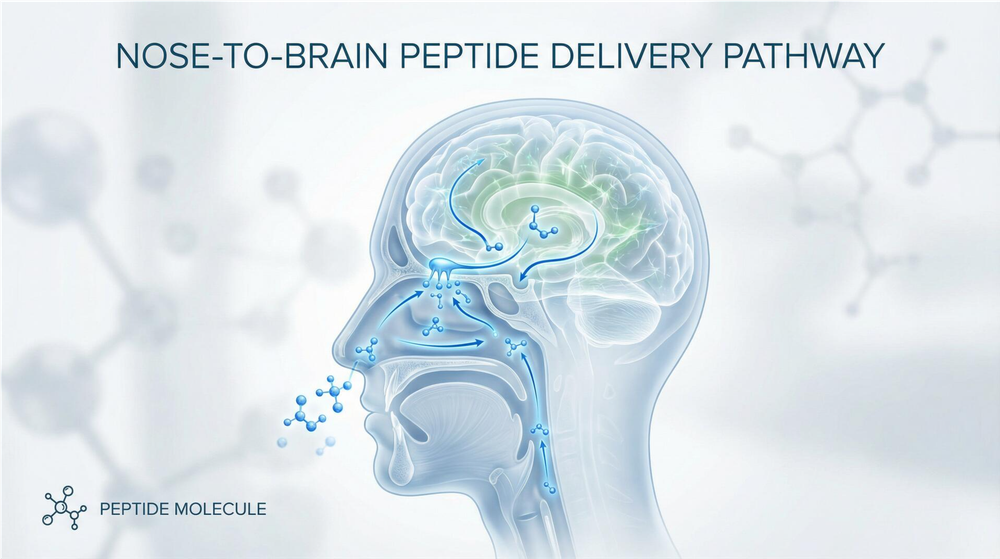
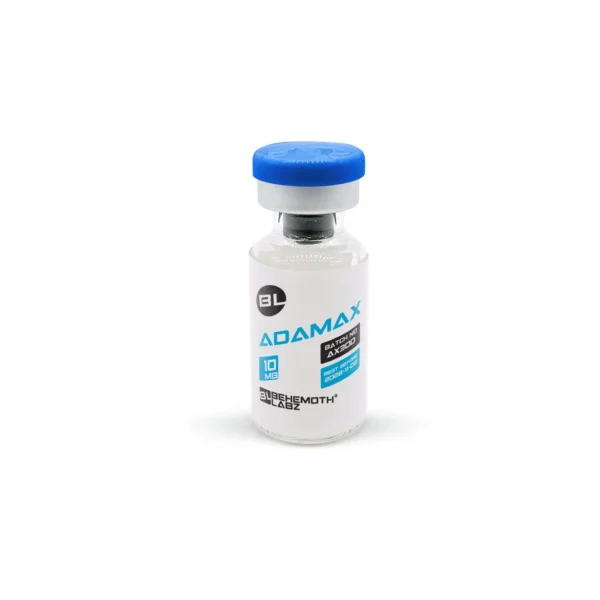
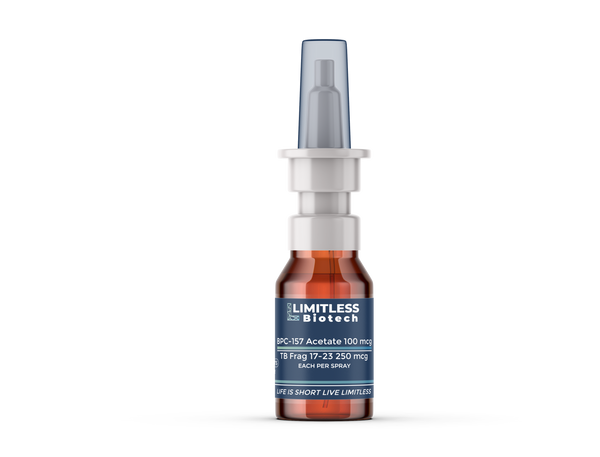
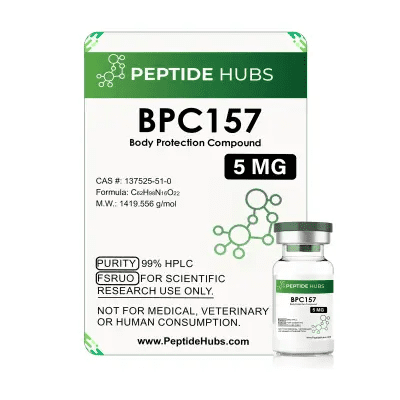
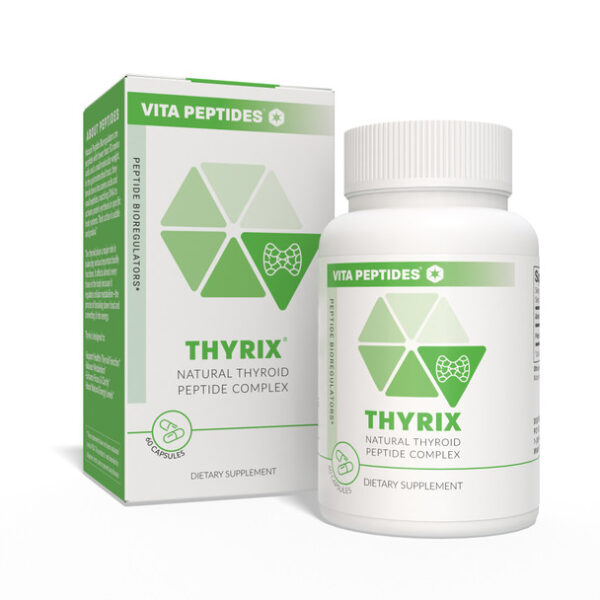
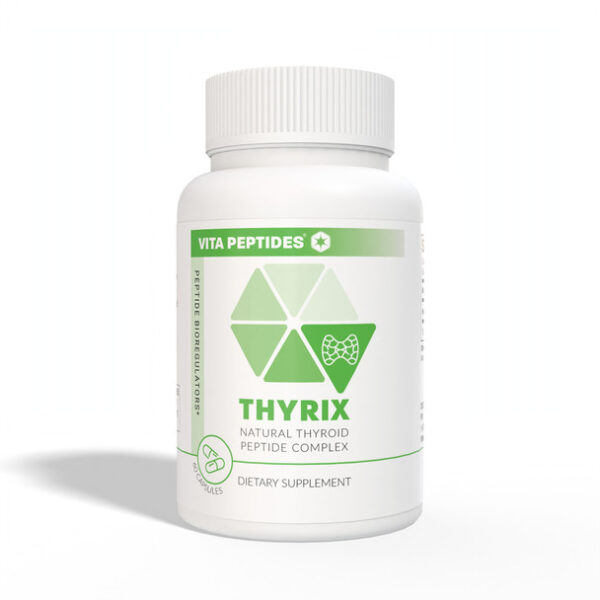
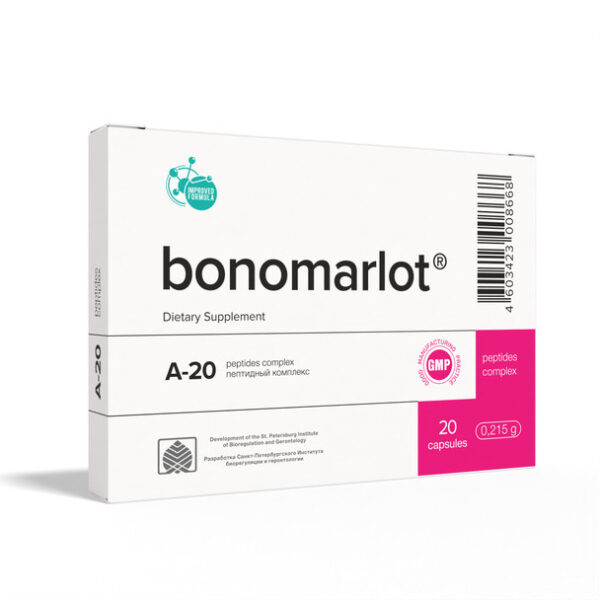
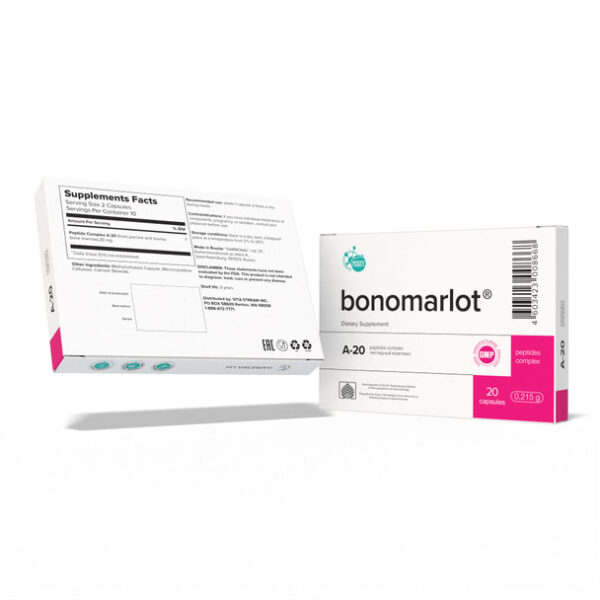
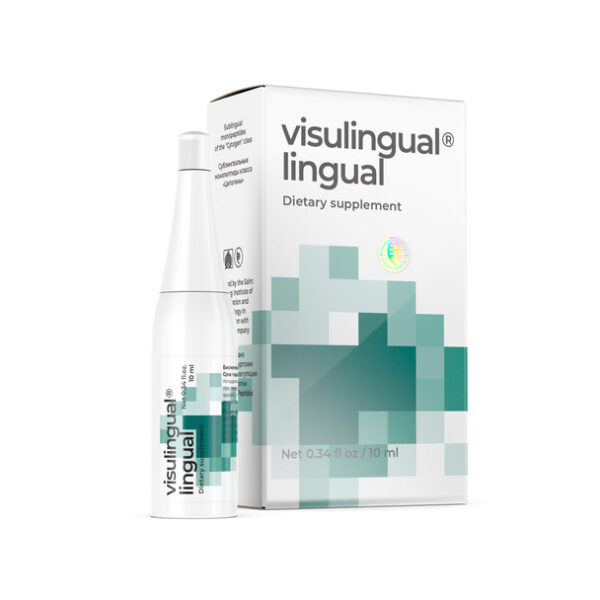
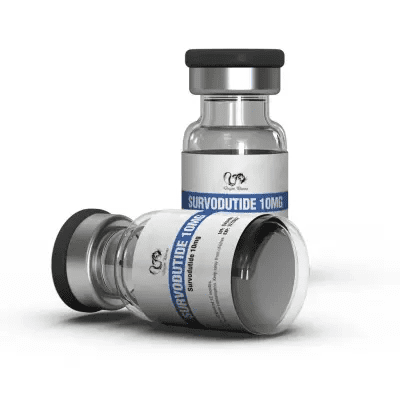
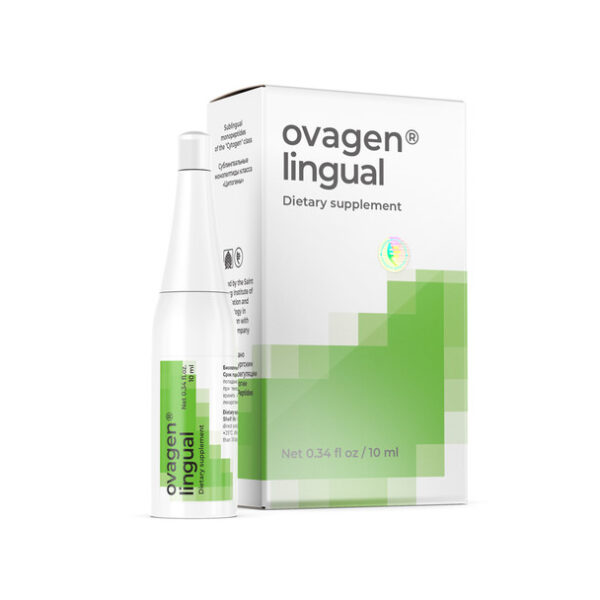
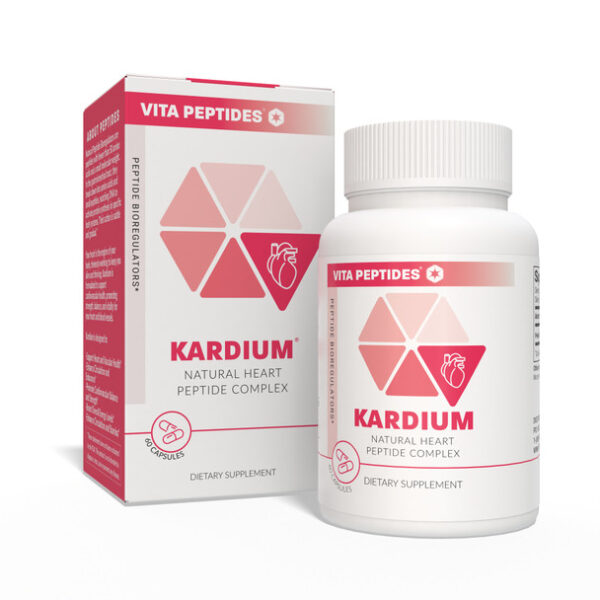
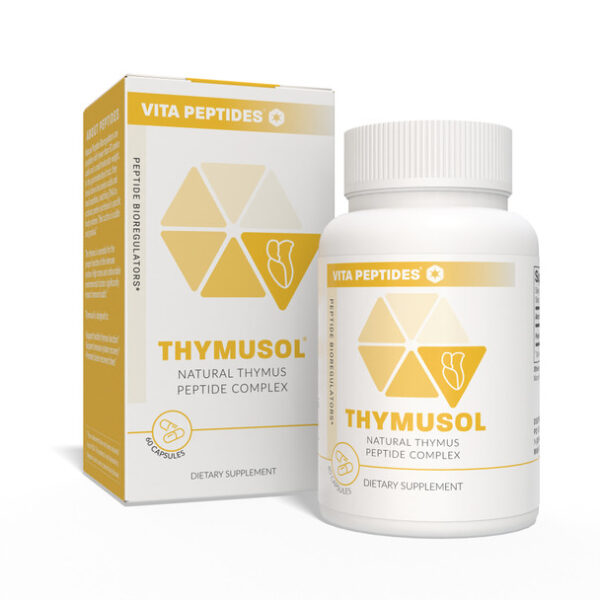
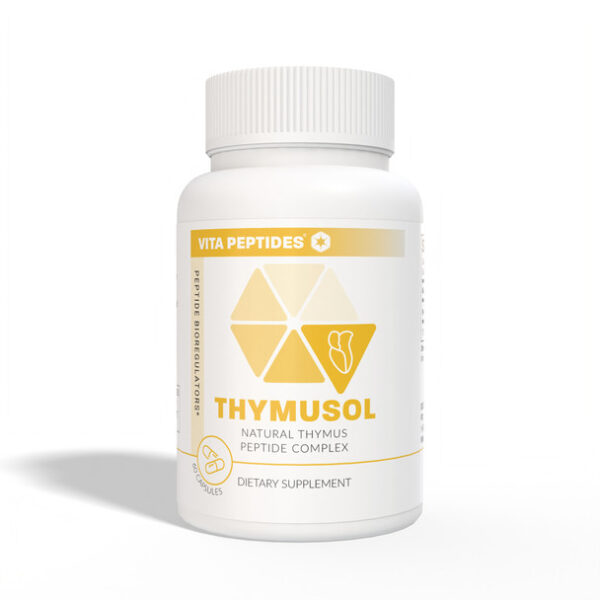
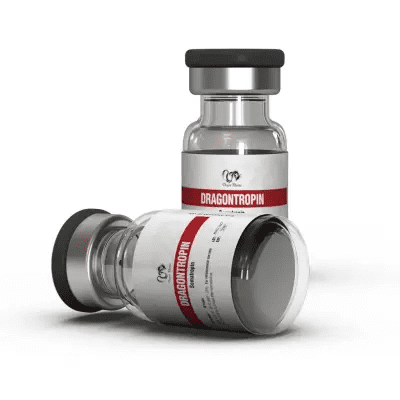
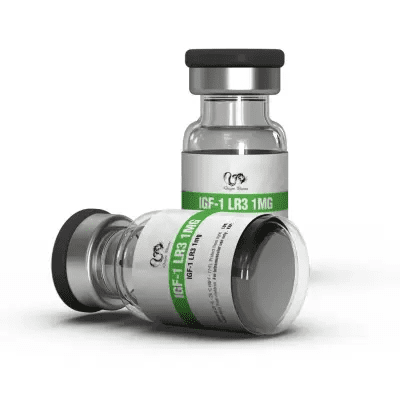
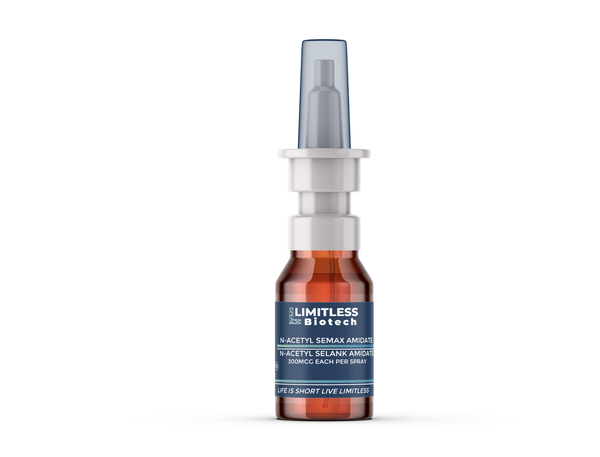
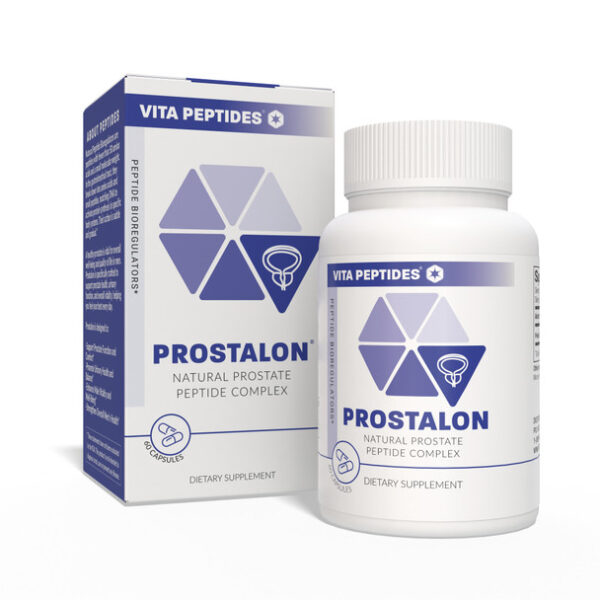
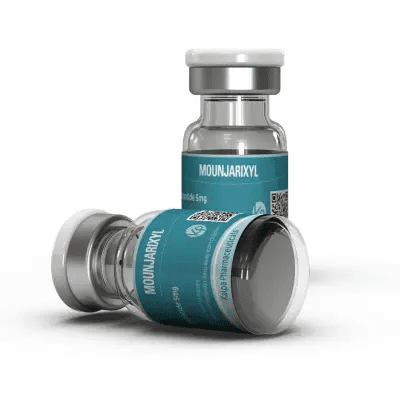
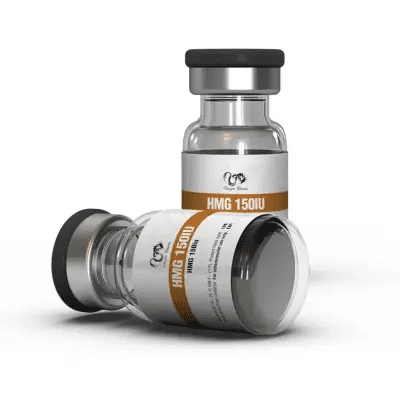
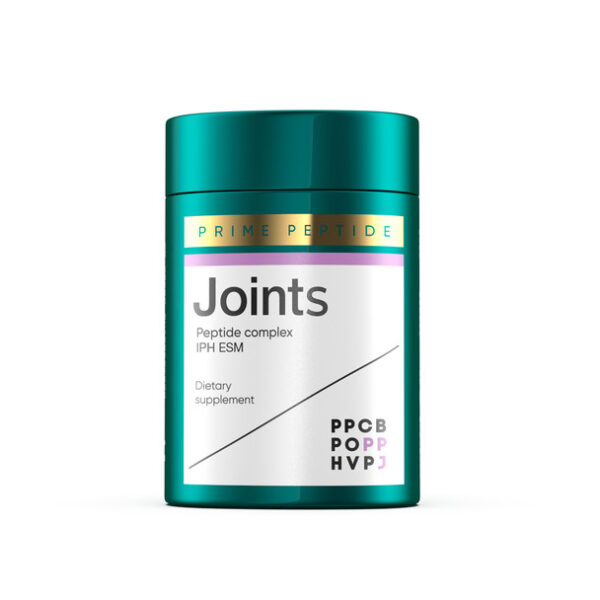
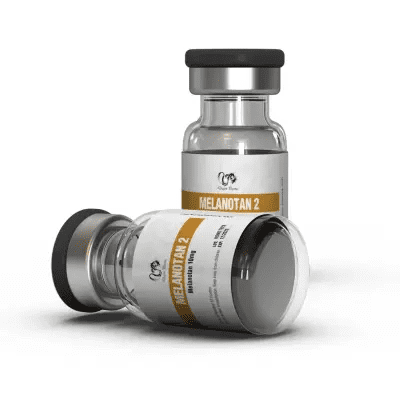
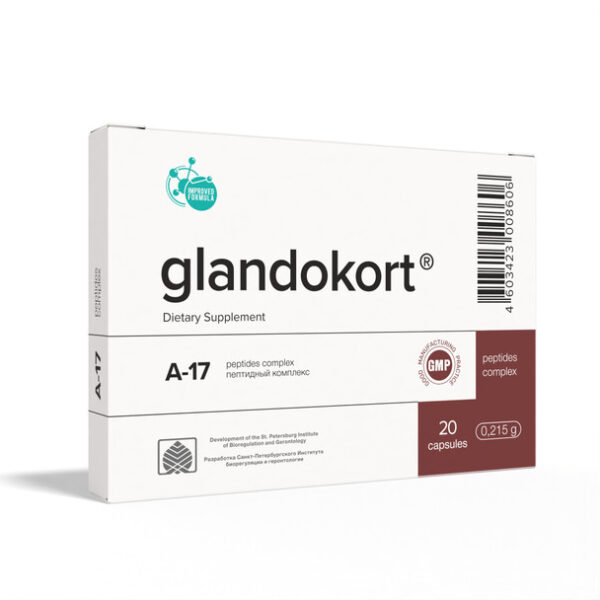
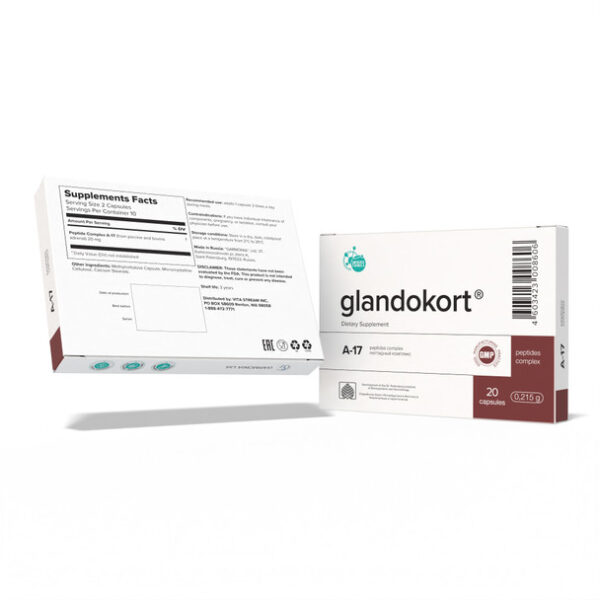
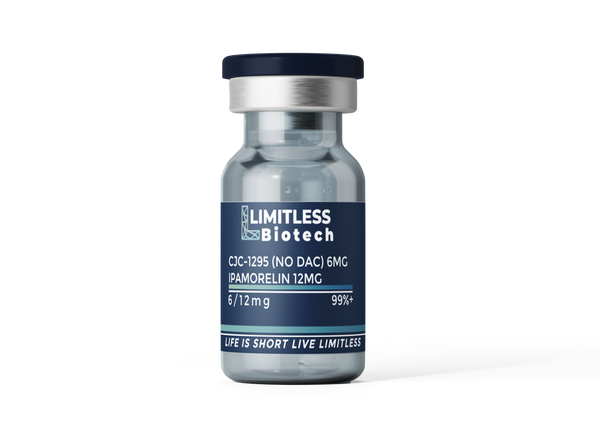
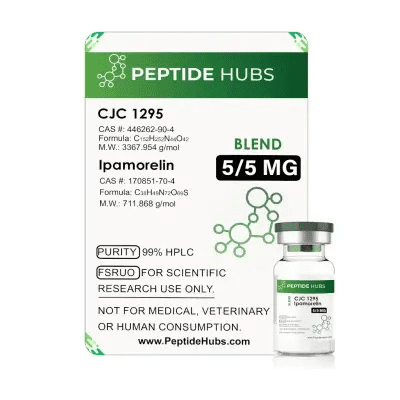
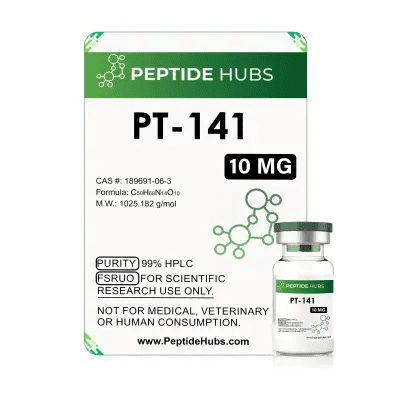
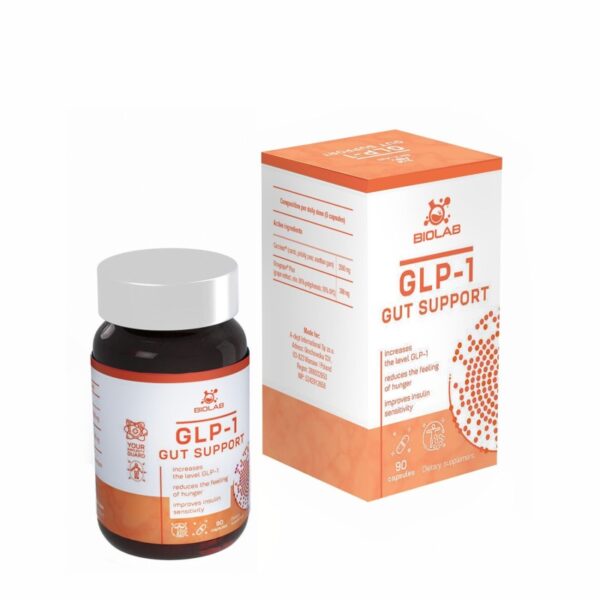
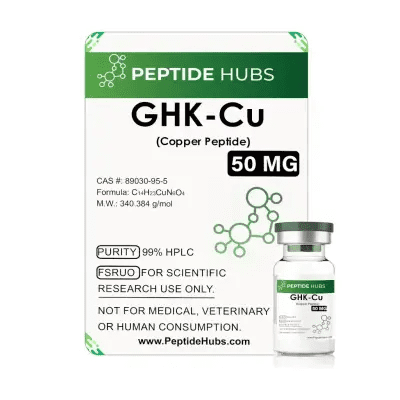
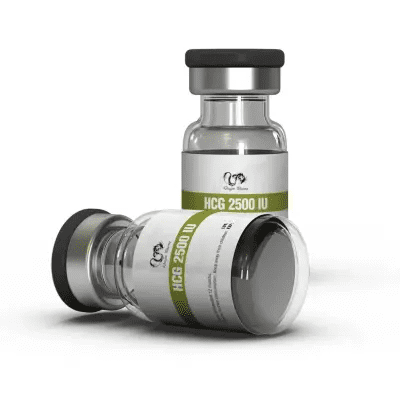
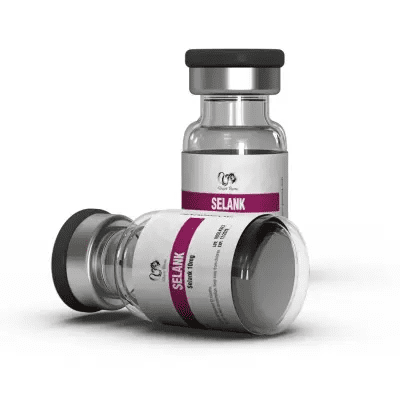
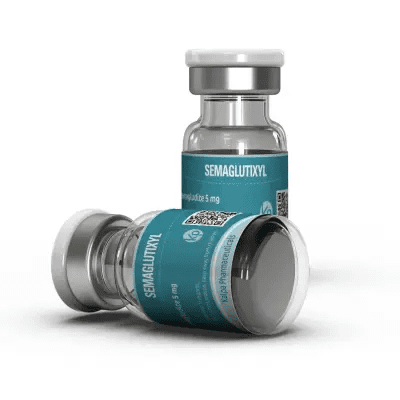
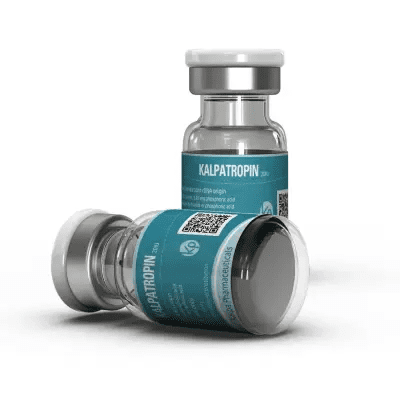
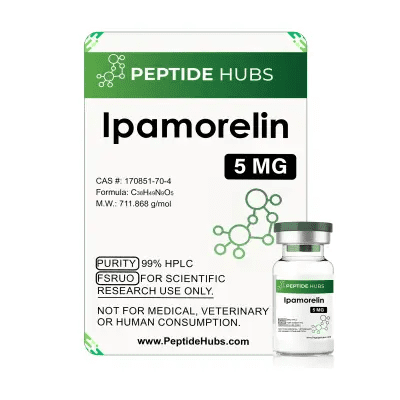
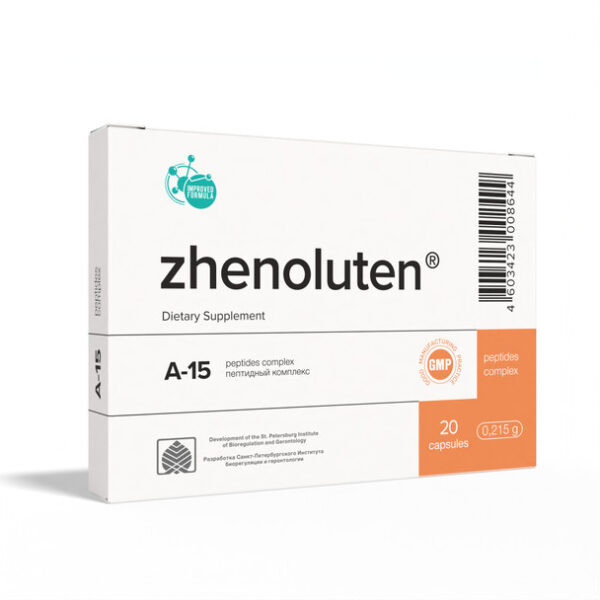
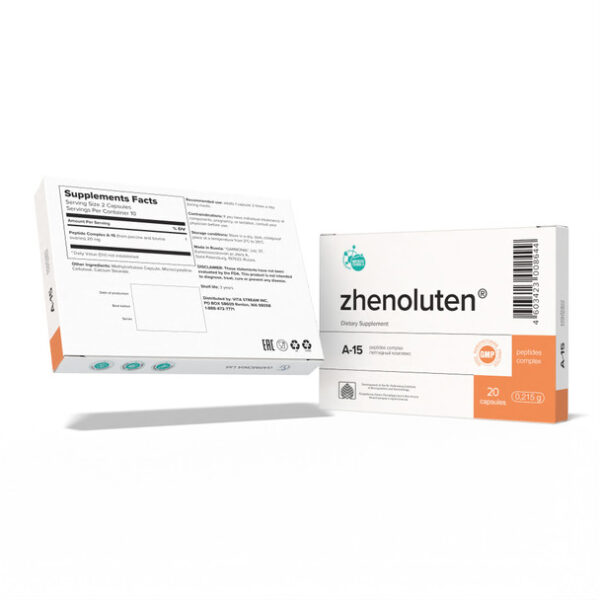
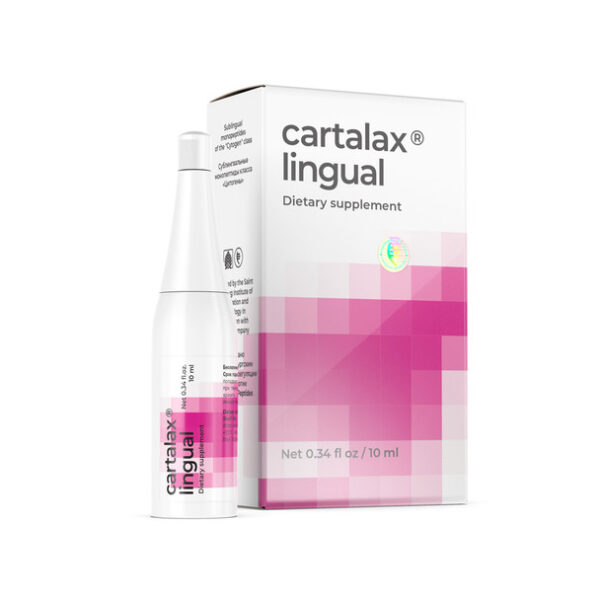
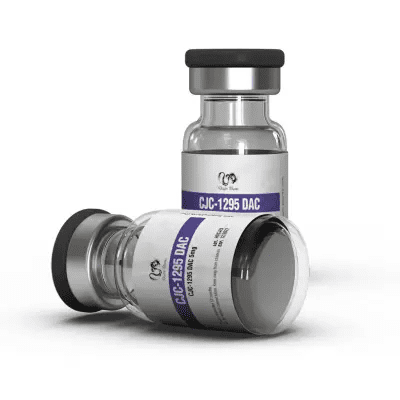
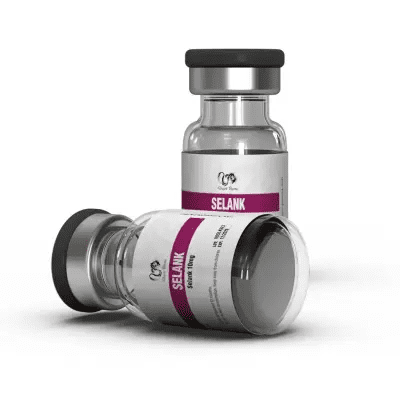
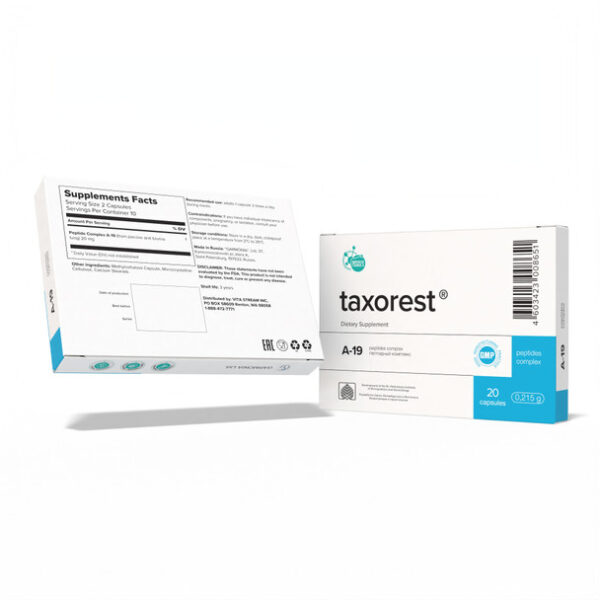
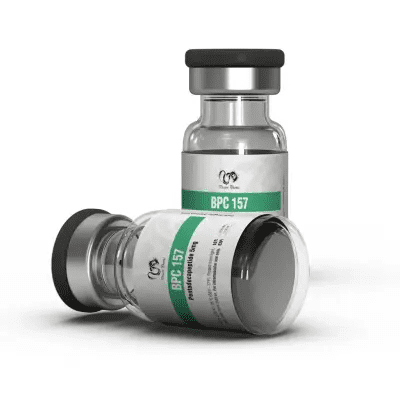
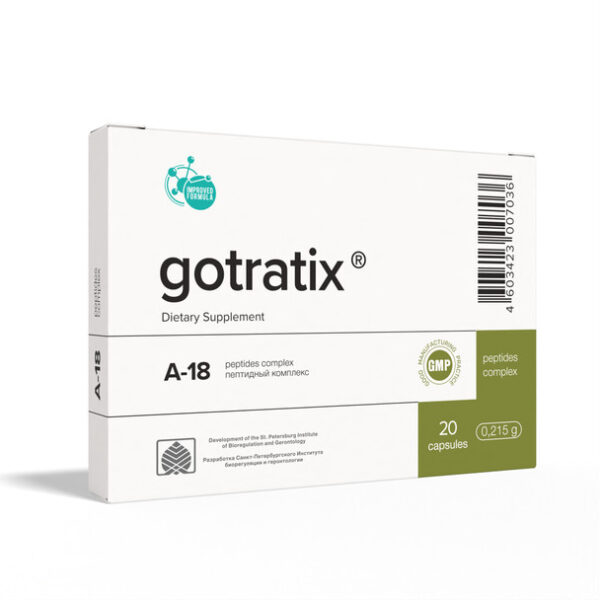
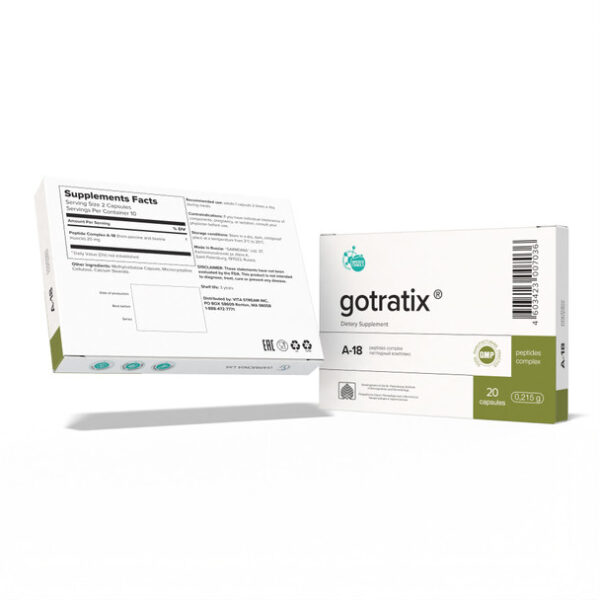
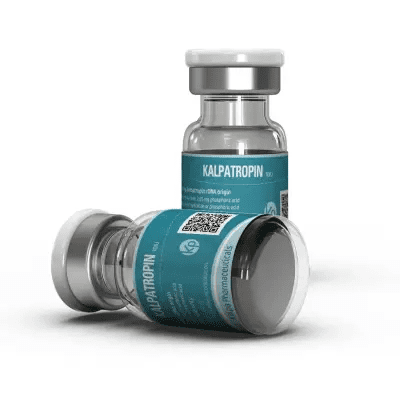
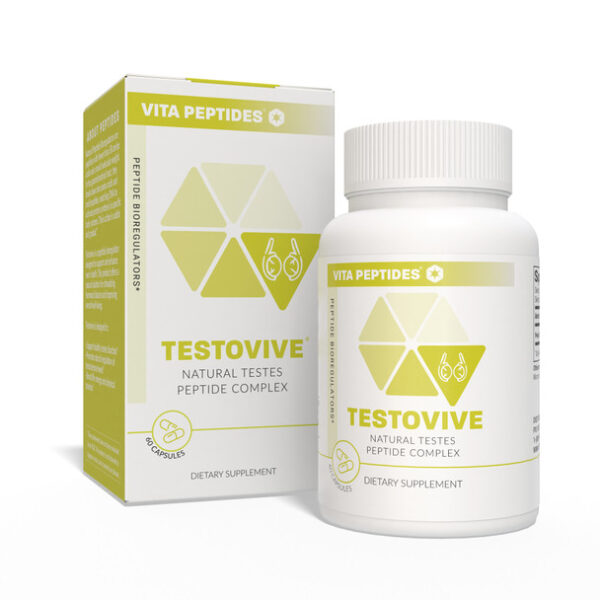
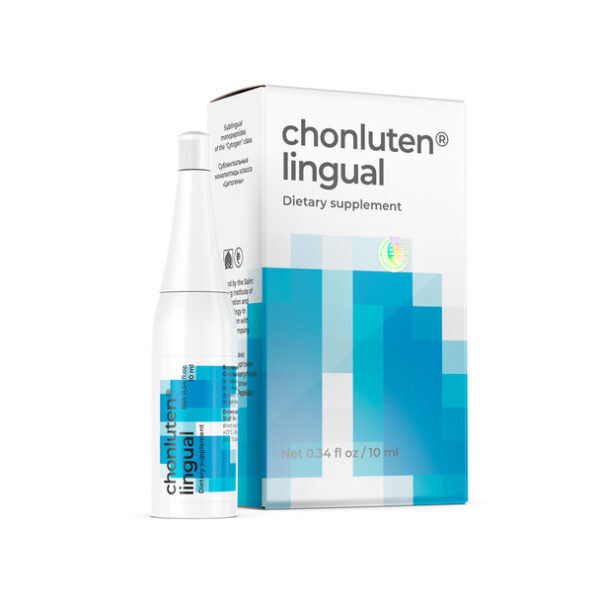
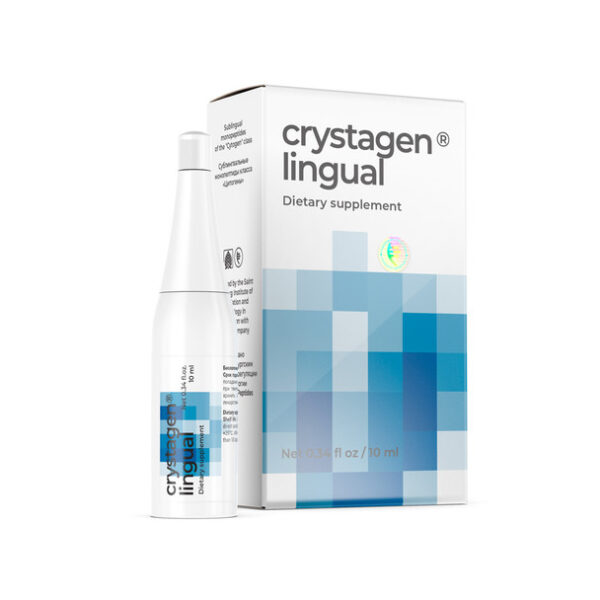
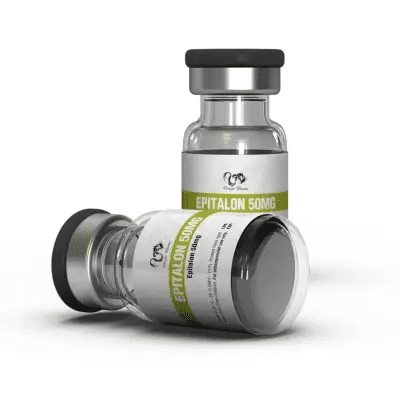
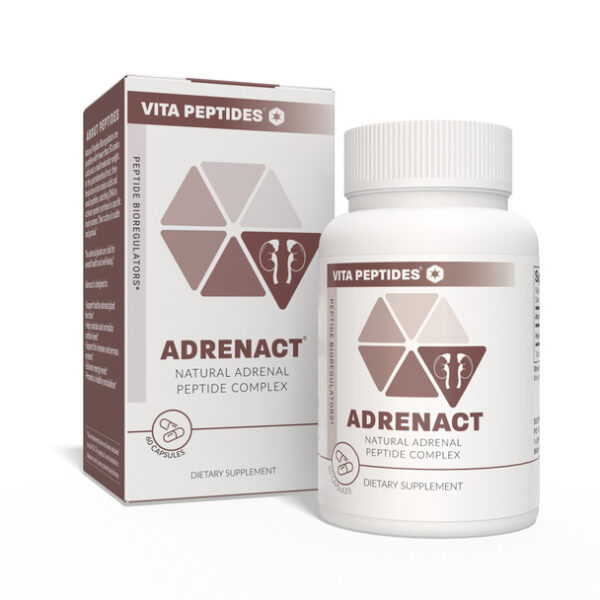
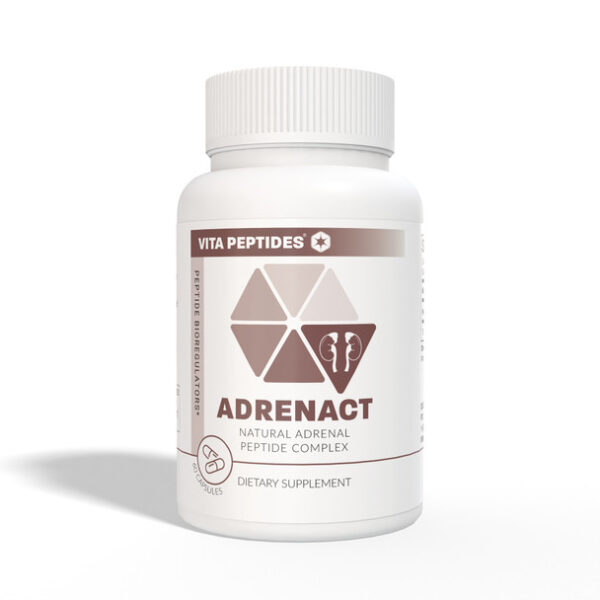
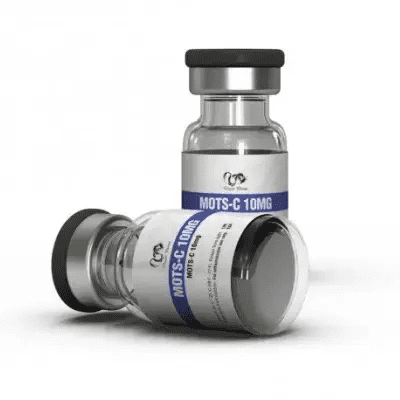
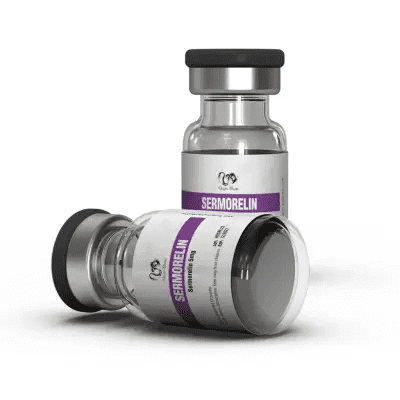
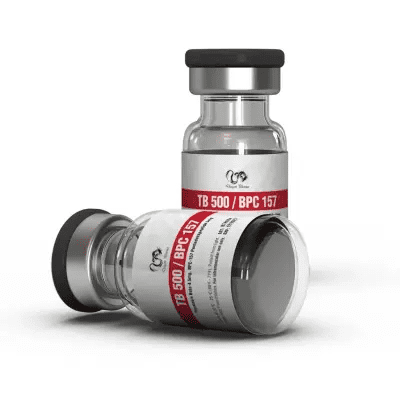
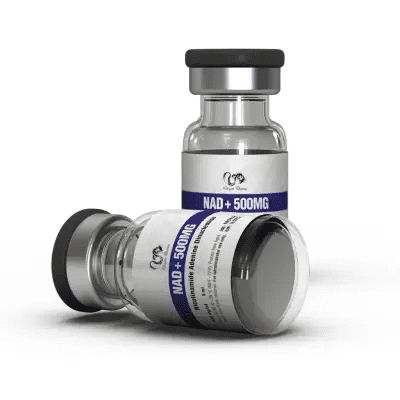
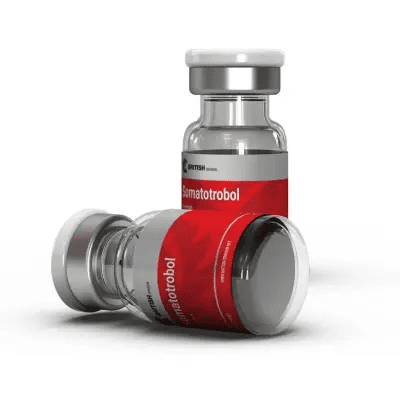
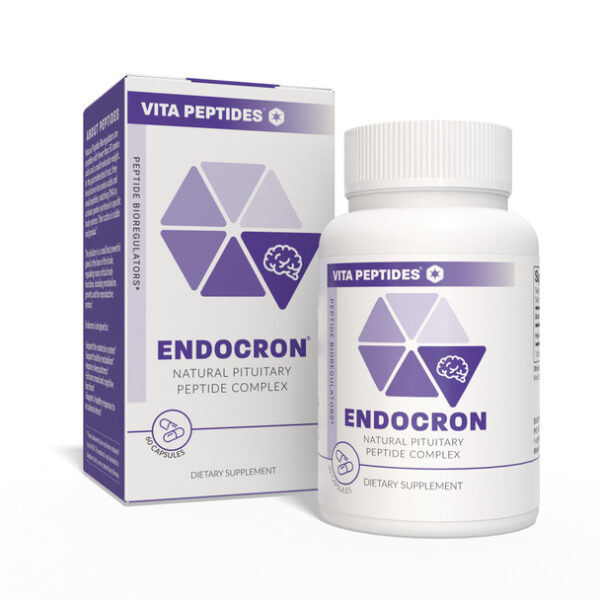
Peptides come in different forms like Vials, nasal sprays, capsules, and creams. To use them effectively, follow the recommended dosage and instructions.
Peptides can be taken orally, applied to the skin, or injected, depending on the type and your goals. Consistent use is important to reap their full benefits, whether for muscle growth, injury recovery, or skincare. Knowing the specific peptide you’re using helps you get the most out of it.
How Long does it take for Peptides to Show Results?
Peptides can show results within weeks to months, depending on the specific peptide and individual response. Consistent use, proper dosage, and a healthy lifestyle can help optimize results. It’s important to consult with a United States healthcare professional for guidance tailored to your needs.
Uses and Benefits of Peptides
Peptides have many uses and benefits in the body, acting as key building blocks for vital functions. They help regulate growth, metabolism, and various physiological processes, playing a crucial role in overall health and well-being.
Peptides are used to boost muscle growth, aid in injury recovery, support the immune system, and promote skin rejuvenation. Thanks to their specificity and potential health benefits, peptides are valuable in pharmaceutical and cosmetic products.
Types of Peptides and Their Classification
Peptides are grouped by their functions and sources, including bioactive peptides, antimicrobial peptides, and peptide hormones. United States Extensive research shows that bioactive peptides have effects beyond basic nutrition.
Antimicrobial peptides fight various pathogens, offering potential health benefits. They might also help with gastrointestinal issues like inflammatory bowel disease.
Peptide hormones play a role in regulating essential body processes. Understanding different peptide types is key to appreciating their importance in human health.
Peptides at the Cellular and Molecular Level
Peptides, which are short chains of amino acids, are vital for various cellular functions. They act as signaling molecules, impacting growth, metabolism, and cell communication.
Several peptide families have been identified, each containing different chains that interact with cell surface receptors to trigger specific bodily responses.
Understanding peptides at the cellular and molecular level helps us appreciate their role in effectively regulating physiological functions. Their diverse roles make peptides essential to the complex mechanisms of the human body.
The Role of Peptides in Anti-Aging and Muscle Building
Peptides play a crucial role in anti-aging and muscle building processes. They act as building blocks for protein synthesis, aiding in muscle growth and repair.
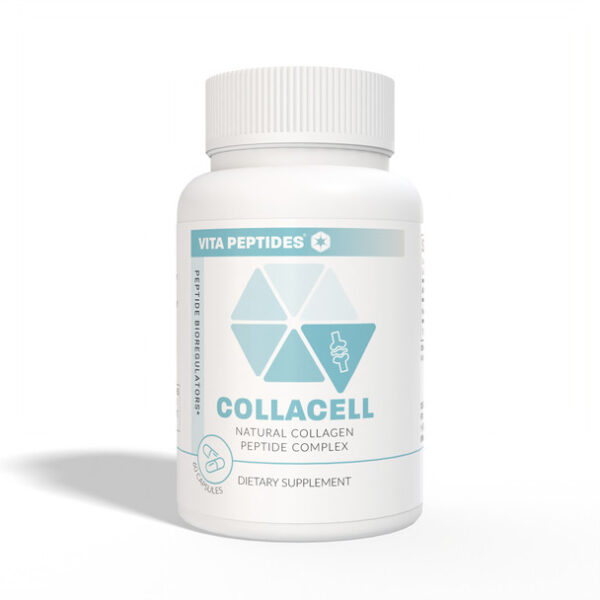
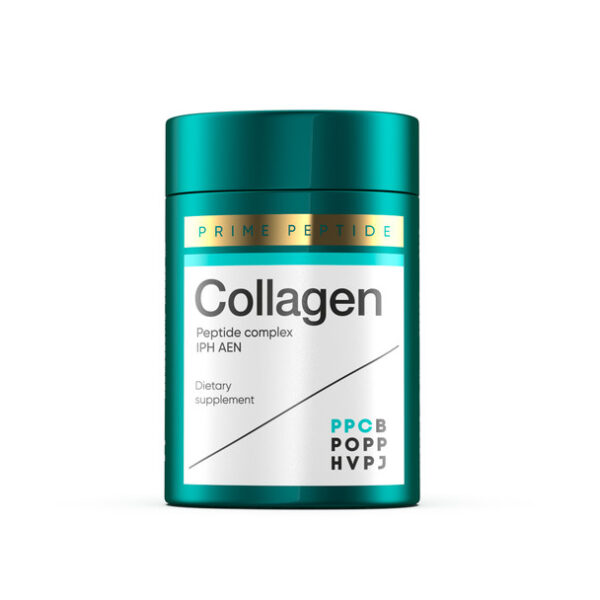
Certain peptides, like the most popular peptides such as collagen peptide supplements, contribute to skin elasticity and health, combating signs of aging.
A recent randomised controlled trial demonstrated that peptide supplements can also stimulate the production of growth factors, promoting muscle development. By enhancing skin quality and muscle function, peptides offer significant benefits in anti-aging and muscle building regimes.
Peptides and Mental Health
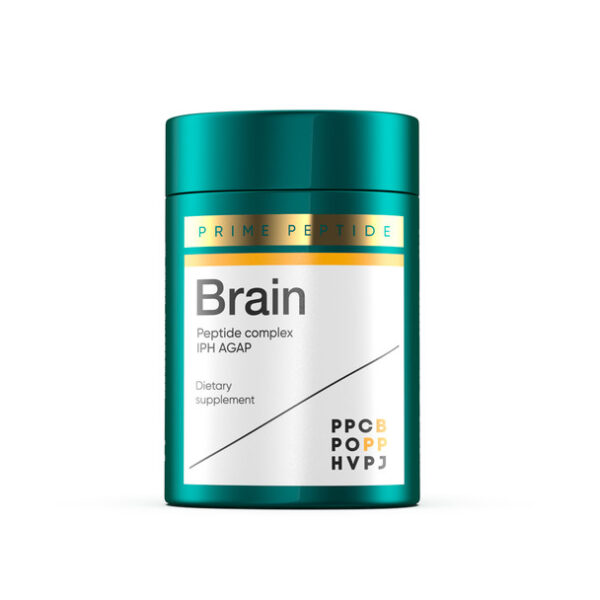
Peptides play a crucial role in mental health by influencing neurotransmitter activity and brain function. Certain bioactive peptides have been studied for their potential to improve mood, cognition, and stress management in randomized controlled trials.
For example, peptides like atrial natriuretic peptide (ANP) and brain natriuretic peptide (BNP) have shown promise in regulating emotions and anxiety levels. Understanding the impact of peptides on mental well-being opens up new avenues for utilizing them in mental health treatments and therapies.
Improve Wound Healing
Peptides are vital for wound healing, as they support tissue repair and regeneration. Bioactive peptides help form new blood vessels, speeding up the healing process.
They also regulate inflammation and boost collagen production, leading to quicker wound closure. By enhancing growth factors and strengthening the skin barrier, peptides can greatly improve wound healing.
Their role in supporting cellular regeneration and managing the immune response makes peptides a useful part of wound care treatments.
Peptides and Hair Health
Peptides are key to keeping hair healthy by boosting growth and strengthening follicles. They nourish the scalp and improve blood flow to follicles, leading to thicker, healthier hair.
Collagen peptides, for example, can enhance hair texture and reduce hair loss. Using peptides in hair care products helps revitalize hair from the roots, supporting overall hair health and appearance.
Prevent Age-Related Bone Loss
Peptides are key in preventing age-related bone loss by promoting bone health and density. They help stimulate osteoblasts, which are important for building bone, while also inhibiting osteoclasts that break down bone tissue, preventing bone loss.
Peptide supplements help maintain bone strength and integrity, countering the natural decline in bone density that comes with aging. Adding peptides to your health routine can potentially reduce the effects of age-related bone loss.
Peptides in Cosmetics and Dietary Supplements
Peptides in cosmetics and dietary supplements utilize the bioactive properties of these short chains of amino acids to benefit the skin and overall health. Peptide-based skin care products are known for their high specificity in targeting skin concerns like wrinkles and sagging.
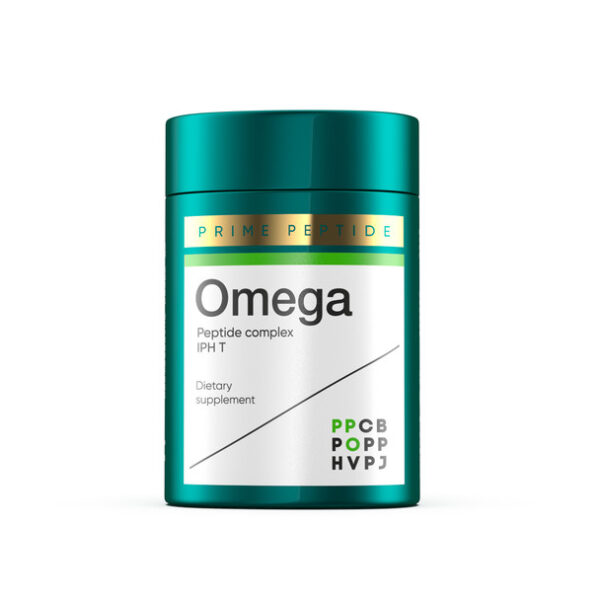
Additionally, dietary supplements containing peptides can support muscle growth, weight loss, and overall well-being. The use of peptides in cosmetics and dietary supplements continues to gain popularity due to their potential health benefits and wide range of applications.
Peptides in Drugs and Vaccines
Peptides are crucial in drug and vaccine development as they act as building blocks for targeted treatments. By utilizing specific peptide sequences and proteinogenic amino acids, researchers can create bioactive peptides to tackle various diseases.
Peptide-based drugs provide high specificity and reduced toxicity compared to traditional medications, making them promising for personalized medicine. In vaccines, peptides can trigger the immune system to target specific pathogens, showcasing their potential in preventative healthcare.
Safety Concerns of Peptide Hormones
Peptide hormones have safety concerns due to potential side effects like changes in blood pressure or blood sugar levels. Adverse reactions or immune responses, especially with synthetic peptides, can occur. Careful monitoring is essential when using them in drug administration to mitigate unexpected reactions.
Caution is advised when taking peptide supplements to prevent unwanted effects on the body. Understanding these safety considerations is crucial before using peptide hormones in regular healthcare routines.
Side Effects of Peptides
Peptides offer many benefits but can also cause side effects. These may include changes in blood pressure, allergic reactions, or impacts on blood sugar levels.
Some peptides might interact with medications or worsen conditions like prostate cancer. It’s crucial to talk to a United States healthcare professional before beginning any peptide regimen to understand the possible risks and benefits for your situation.
Pathophysiology and Clinical Significance of Peptides
Peptides are essential for growth and metabolism regulation in the body. Understanding their role and clinical importance is key to recognizing their impact on various physiological processes.
These molecules have diverse functions, including regulating blood pressure through peptide hormones and playing a part in immune responses with bioactive peptides.
Clinically, peptides are being studied for their potential benefits in drug discovery and therapy, highlighting their importance in modern healthcare.
Review and Assessment of Peptide Research
Peptides have been widely studied in many fields, revealing a range of potential health benefits. Research explores their function as building blocks and active compounds.
The applications are vast, from peptide hormones to collagen peptides. Studies on peptides for recovery from injuries, muscle growth, and mental health showcase their versatility. Ongoing peptide research continues to reveal their beneficial roles within the body’s complex systems.
Shop Research Peptide Stacks from Pharmagrade Store United States today!